Autumn Term
Welcome to Acorn Class! We are so excited to start the new academic year and can't wait to learn and have fun. We have lots to look forward to this term!
Autumn Term 1
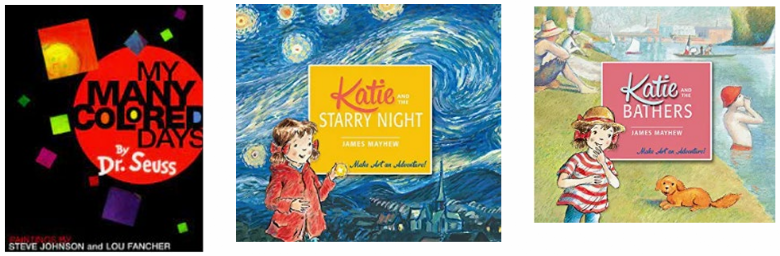
This term, our curriculum will have a start with 'How can I show my feelings through my art.' We will explore colours and how famous artist use colour to express their feelings.
At the start of the term we will practise our listening skills and joining in with recall of nursery rhymes.
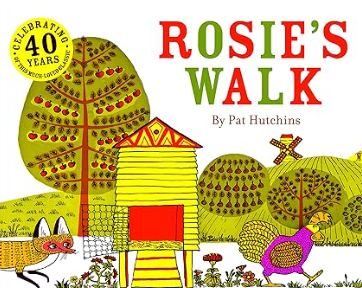
Our story this term is ‘Rosies Walk’. We will learn to retell this using all the words and develop our story voice. This story focus' on preposition and these can all be explored and practised within our continuous provision/ Busy time play.
Number
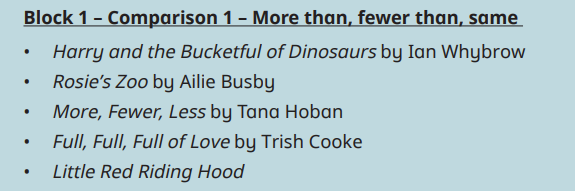
Each week we explore a nursery rhyme and story linked to our maths theme that week. We explore these themes within our play during continuous provision/busy time.
What is Phase 1 Phonics?
- It involves a lot of oral activities, such as games and songs, rather than focusing on letter shapes.
- It is the first step in phonics, laying the groundwork for future reading and writing.
- It concentrates on developing listening skills to recognize and distinguish sounds in the environment, music, and within words.
The Seven Aspects of Phase 1 Phonics
-
Environmental Sounds:
Developing awareness of sounds in the world, such as animal noises or sounds from a listening walk.
-
Instrumental Sounds:
Learning to recognize sounds made by various musical instruments and noise makers.
-
Body Percussion:
Using body sounds like clapping or stomping to develop an awareness of rhythm and sound.
-
Rhythm and Rhyme:
Engaging with songs, rhymes, and clapping to develop an ear for the rhythm and sounds in language.
-
Alliteration:
Identifying words that start with the same sound.
-
Voice Sounds:
Making different sounds with the voice, like animal noises or vocal effects, to practice vocal dexterity.
-
Oral Blending and Segmenting:
The crucial skill of hearing sounds in a spoken word and blending them together to say the whole word (e.g., d-o-g makes "dog"), and segmenting a word into its individual sounds.
Why is Phase 1 Important?
-
Foundation for Reading:
The skills learned in Phase 1 are essential for children to confidently identify and match sounds to letter shapes later on, which is crucial for reading words.
-
Speaking and Listening Skills:
This phase enhances children's ability to listen attentively, speak clearly, and understand what is being said.